
Expert Insights: Understanding the Role of a Nurse in In-Home Care


The Evolving Role of Nurses in In-Home Care
In-home care has become an increasingly popular choice for many families seeking personalized and convenient healthcare solutions. At the heart of this service is the dedicated role of the nurse, who provides a range of medical and supportive care directly in the comfort of a patient's home. Understanding the vital role that nurses play in this setting can help families make informed decisions about their healthcare options.
Comprehensive Medical Care
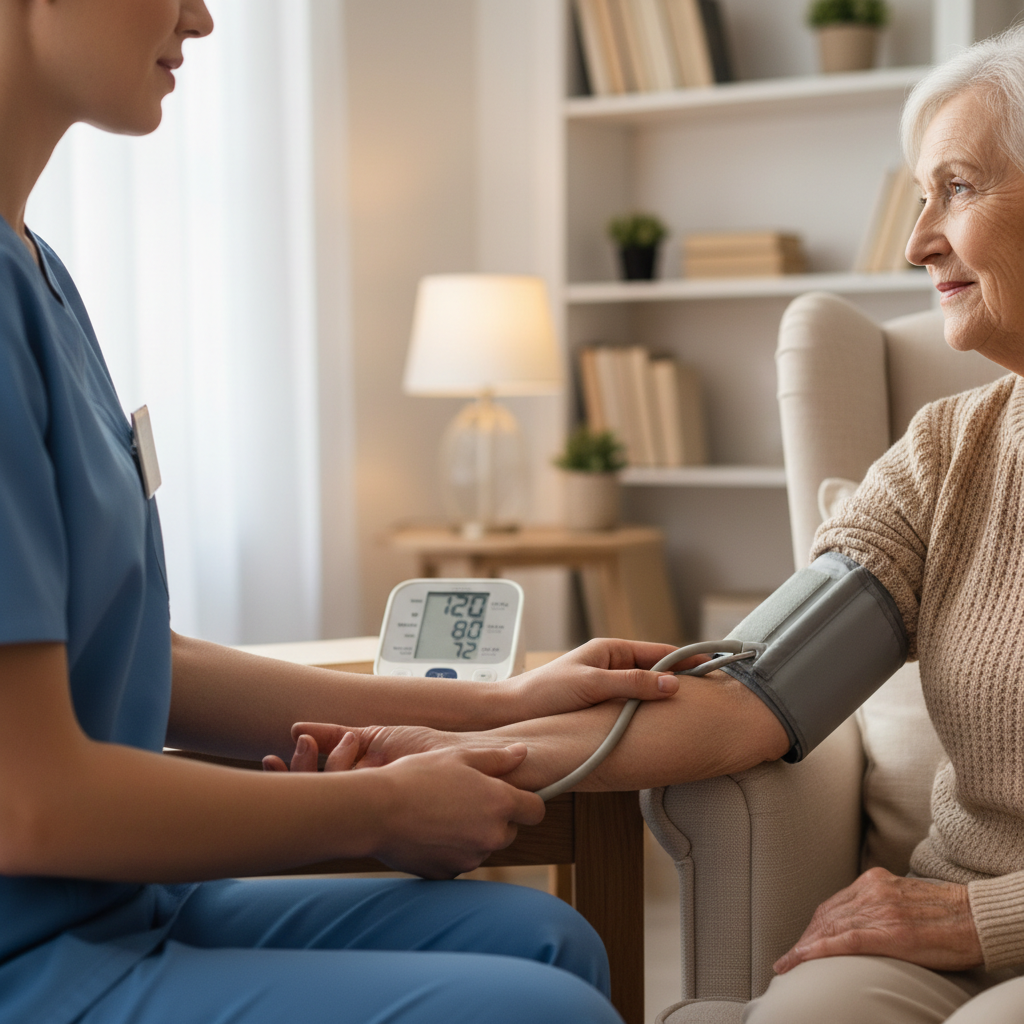
Nurses in in-home care are responsible for delivering comprehensive medical services. They manage medication administration, monitor vital signs, and provide wound care, among other duties. This not only ensures that patients receive the necessary medical attention but also allows for continuous monitoring and quick responses to any changes in their condition.
Furthermore, in-home care nurses often collaborate with doctors and other healthcare professionals to develop personalized care plans. This collaboration ensures that the patient receives tailored care that addresses their specific health needs.
Emotional and Psychological Support
Beyond medical responsibilities, nurses provide essential emotional and psychological support to patients and their families. By building strong, trusting relationships, they help alleviate the stress and anxiety that often accompany health challenges. Their presence offers reassurance and comfort, which is crucial for the overall well-being of both patients and their loved ones.

Education and Empowerment
An important aspect of a nurse's role in in-home care is education. Nurses empower patients and their families by teaching them about their conditions, treatments, and how to manage symptoms at home. This educational support enhances patients' ability to participate actively in their own care, promoting independence and self-management.
Nurses also provide guidance on lifestyle adjustments, dietary changes, and other health-promoting activities. Their expertise helps families make informed decisions that can lead to better health outcomes.
Coordination and Communication
Effective communication and coordination are central to in-home care. Nurses serve as the primary point of contact between the patient, family, and healthcare team. They ensure that everyone involved in the patient's care is informed and on the same page, reducing the risk of misunderstandings and errors.
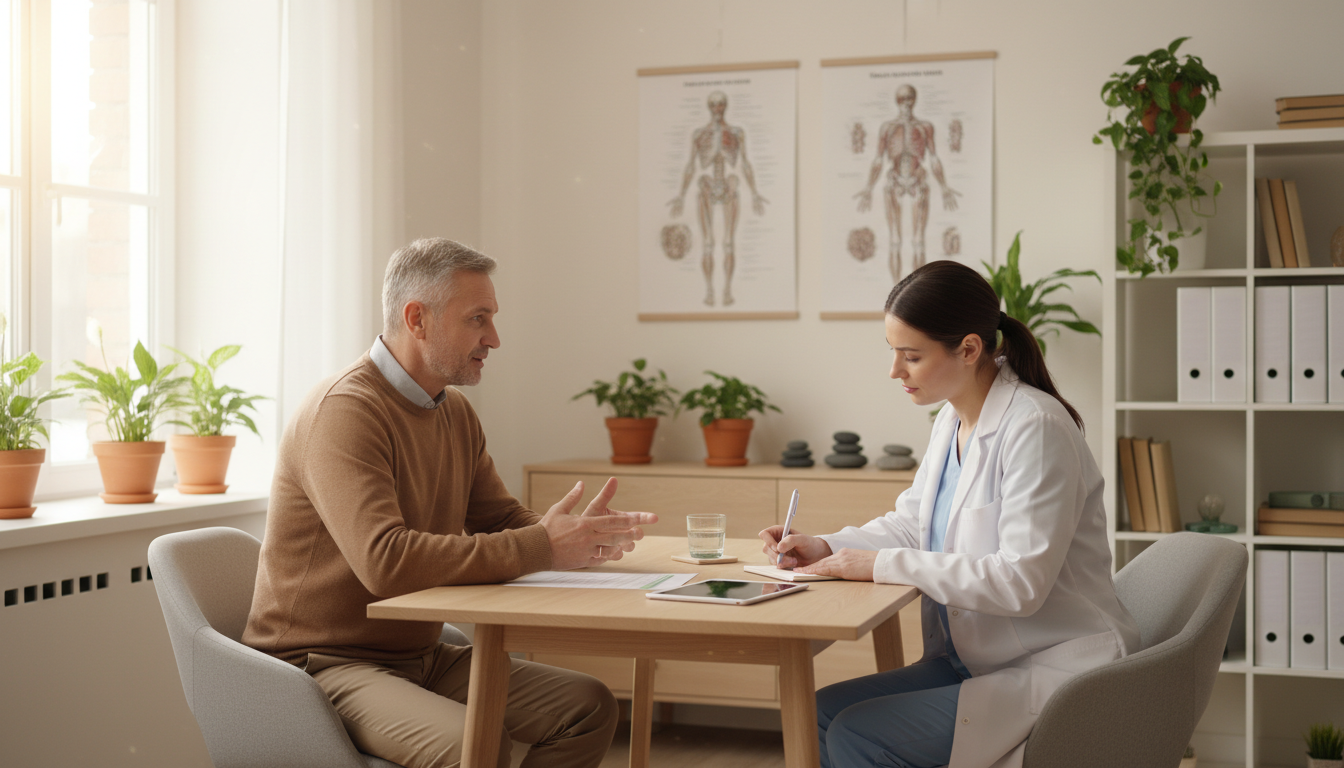
By maintaining clear and open lines of communication, nurses help streamline the care process, making it more efficient and less stressful for everyone involved.
Adapting to Individual Needs
One of the most significant advantages of in-home care is its adaptability. Nurses are skilled at adjusting their care approaches to meet the unique needs of each patient. Whether it’s accommodating a patient's schedule or adapting care techniques to suit specific preferences, nurses provide personalized attention that respects the dignity and autonomy of the individual.
This adaptability also extends to cultural sensitivity, as nurses are trained to respect and integrate cultural practices and beliefs into their care plans, ensuring that all patients feel respected and understood.
Conclusion
The role of a nurse in in-home care is multifaceted and indispensable. From medical expertise to emotional support and education, nurses are the backbone of home healthcare. Their contributions ensure that patients receive high-quality, compassionate care tailored to their individual needs, all within the familiar environment of their homes. As the demand for in-home care continues to grow, the importance of skilled and compassionate nursing will only become more pronounced.