
Bridging the Gap: How Cultural Competency Enhances Patient Care


Understanding Cultural Competency in Healthcare
In today's diverse world, healthcare providers encounter patients from a myriad of cultural backgrounds. Cultural competency involves understanding and respecting these differences to provide effective and personalized care. By enhancing cultural awareness and sensitivity, healthcare professionals can bridge the gap between diverse patient populations and quality healthcare.
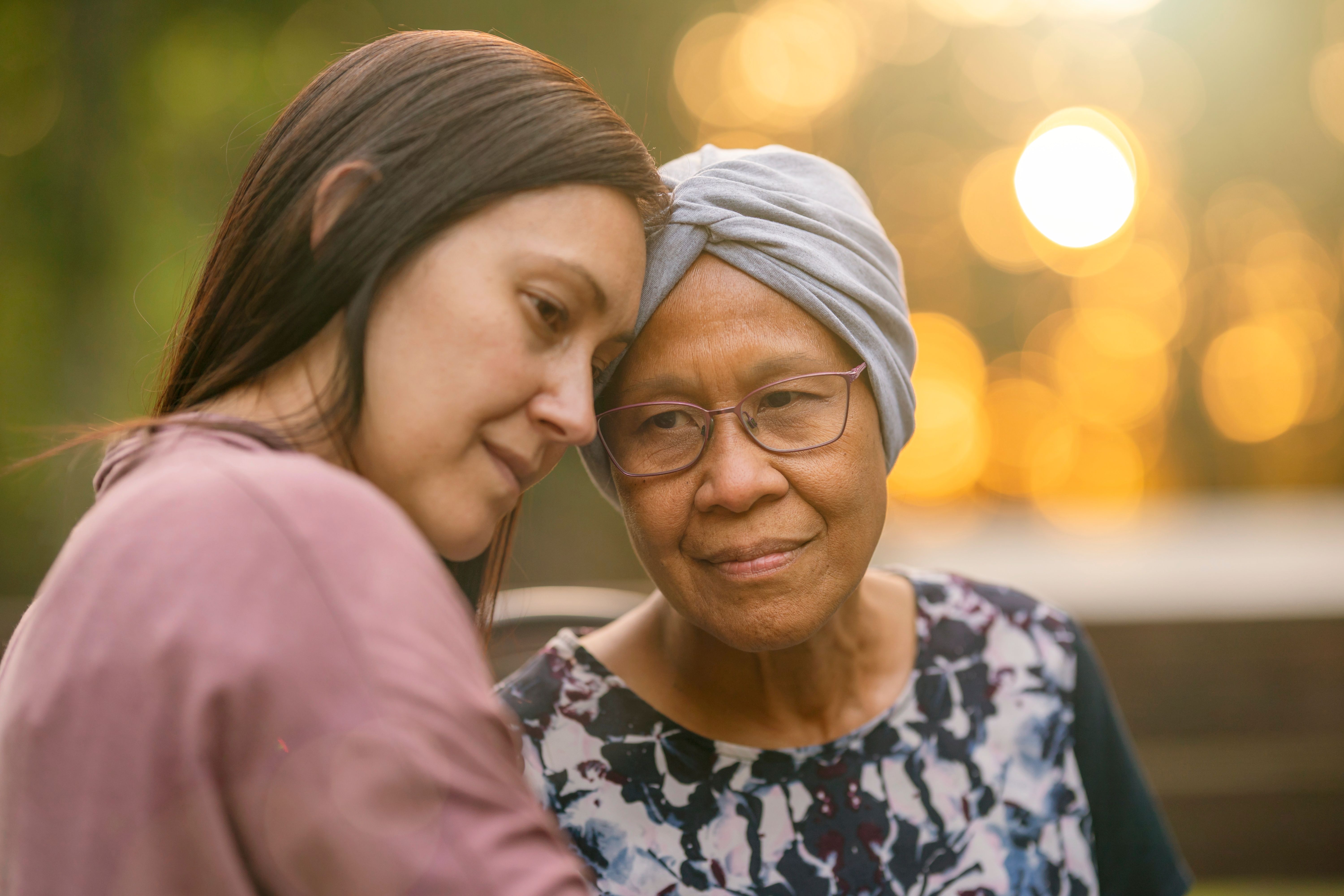
Cultural competency is not just about language translation; it encompasses understanding cultural beliefs, values, and practices that influence a patient's health behaviors and decision-making. This understanding is crucial for developing trust and ensuring that patients feel respected and understood.
The Impact of Cultural Competency on Patient Outcomes
Studies have shown that cultural competency can significantly improve patient outcomes. When healthcare providers understand and respect cultural differences, they are better equipped to communicate effectively and provide care that is perceived as competent and empathetic.
Improved communication leads to better patient adherence to medical advice, reduced misunderstandings, and enhanced patient satisfaction. In turn, this can lead to improved health outcomes, reduced hospital readmissions, and overall better healthcare experiences for patients.

Strategies for Developing Cultural Competency
Healthcare institutions can adopt several strategies to enhance cultural competency among their staff:
- Training Programs: Regular workshops and seminars on cultural awareness and sensitivity help staff understand different cultural perspectives.
- Diverse Hiring Practices: Employing a diverse workforce can naturally enhance cultural understanding within an organization.
- Community Engagement: Building relationships with local communities can provide insights into specific cultural needs and preferences.
The Role of Technology in Supporting Cultural Competency
Technology also plays a significant role in bridging cultural gaps in healthcare. Tools such as translation apps, telehealth platforms, and electronic health records with cultural notes can assist in overcoming language barriers and improving communication.

Moreover, technology enables the sharing of cultural competency resources and training materials across healthcare networks, ensuring that all staff members have access to the latest information and best practices.
Challenges in Achieving Cultural Competency
Despite its benefits, achieving cultural competency in healthcare is not without challenges. Resistance to change, limited resources for training, and the complexity of addressing diverse cultural needs can hinder progress. However, with commitment and strategic planning, these challenges can be overcome.
Healthcare leaders must prioritize cultural competency as an integral part of their organizational strategy. By doing so, they can ensure that all patients receive care that is respectful, inclusive, and effective.
The Future of Cultural Competency in Healthcare
As global populations continue to diversify, the need for cultural competency in healthcare will only increase. By investing in cultural competency now, healthcare providers can prepare for future challenges and opportunities in patient care.
Ultimately, a culturally competent healthcare system is one where every patient feels valued and understood, leading to better health outcomes for all.