
Bridging Cultural Gaps: Personalized Healthcare in Diverse Communities


Understanding Cultural Diversity in Healthcare
In today’s globalized world, healthcare providers are increasingly encountering patients from diverse cultural backgrounds. This diversity brings unique challenges and opportunities for delivering effective medical care. Understanding and respecting cultural differences is crucial for healthcare professionals aiming to offer personalized healthcare solutions that meet the needs of every individual.
Cultural gaps in healthcare can impact everything from communication styles to treatment preferences. By acknowledging these differences, healthcare providers can foster a more inclusive environment that enhances patient satisfaction and health outcomes.

The Importance of Cultural Competence
Cultural competence refers to the ability of healthcare providers to understand, communicate with, and effectively interact with patients across cultures. This competence is essential for ensuring that all patients receive equitable care. It involves acknowledging cultural differences, respecting them, and integrating this understanding into healthcare practices.
Healthcare professionals can develop cultural competence through education and training, which helps them to recognize and address cultural biases and stereotypes. By doing so, they can build stronger relationships with patients and improve the overall care experience.
Strategies for Bridging Cultural Gaps
To bridge cultural gaps in healthcare, it’s essential to implement strategies that promote inclusivity and respect. Here are some effective approaches:
- Language Services: Providing translation and interpretation services ensures clear communication between healthcare providers and patients who speak different languages.
- Cultural Awareness Training: Regular training sessions can help staff become more aware of cultural differences and learn how to incorporate this knowledge into patient care.
- Patient-Centered Communication: Encouraging open dialogue and active listening can help patients feel comfortable sharing their cultural beliefs and preferences.

Personalized Healthcare Approaches
Personalized healthcare is about tailoring medical treatment to meet the individual needs of each patient. In culturally diverse communities, this approach becomes even more critical. By considering cultural factors, healthcare providers can create personalized care plans that respect patients’ cultural values and health beliefs.
For example, dietary recommendations can be adjusted to align with cultural preferences, and treatment plans can be modified to consider traditional healing practices alongside conventional medicine.
Building Trust in Diverse Communities
Trust is a vital component of effective healthcare delivery. In diverse communities, building trust requires a commitment to cultural sensitivity and understanding. Healthcare providers can foster trust by engaging with community leaders, participating in cultural events, and demonstrating a genuine interest in learning about different cultures.
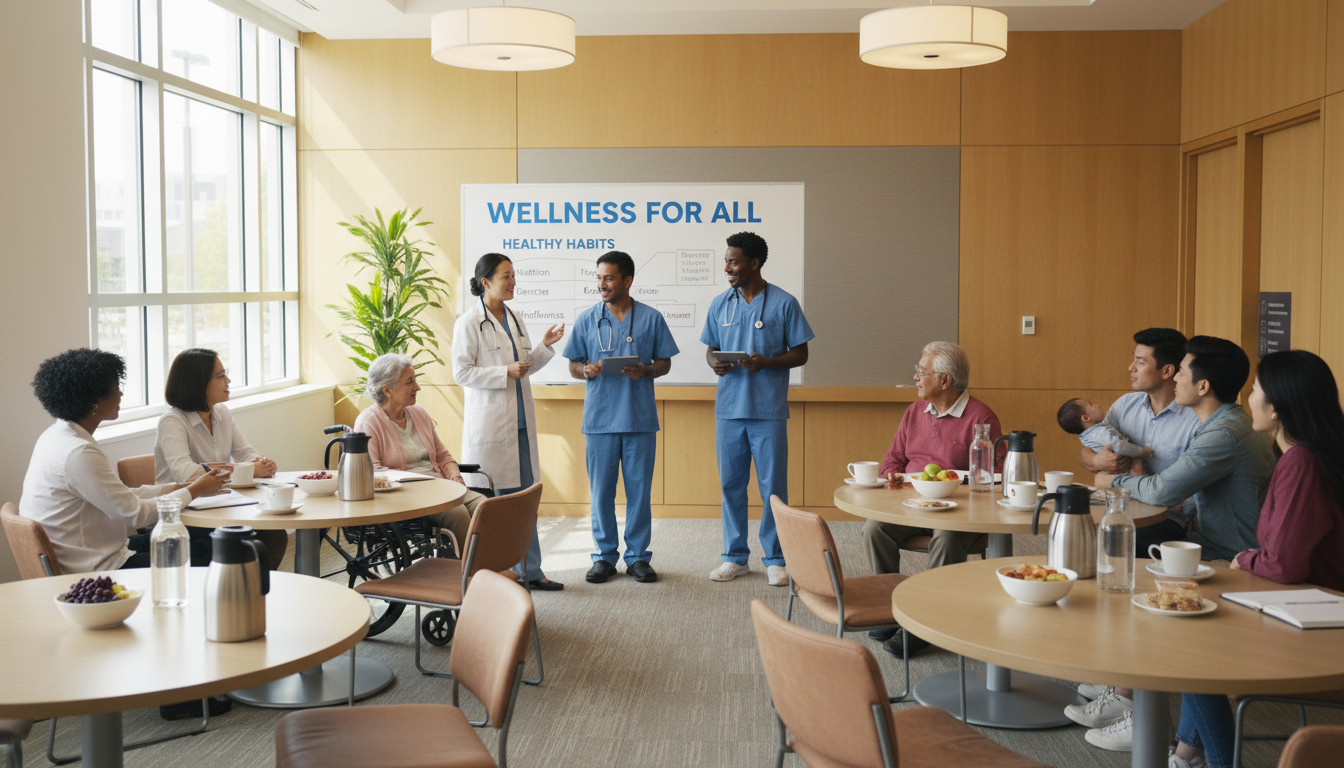
Additionally, involving patients and their families in healthcare decisions can empower them and increase their trust in the healthcare system. By making patients active participants in their care, providers can improve adherence to treatment plans and health outcomes.
Conclusion
Bridging cultural gaps in healthcare is not just about overcoming language barriers or recognizing cultural differences. It’s about creating a healthcare environment where every patient feels valued and understood. By embracing cultural diversity and integrating it into personalized healthcare approaches, we can ensure that all individuals receive the care they deserve, regardless of their cultural background.